
Financial Insights & Expert Advice
Explore articles, tips, and strategies to help you make confident money decisions at every stage of life.

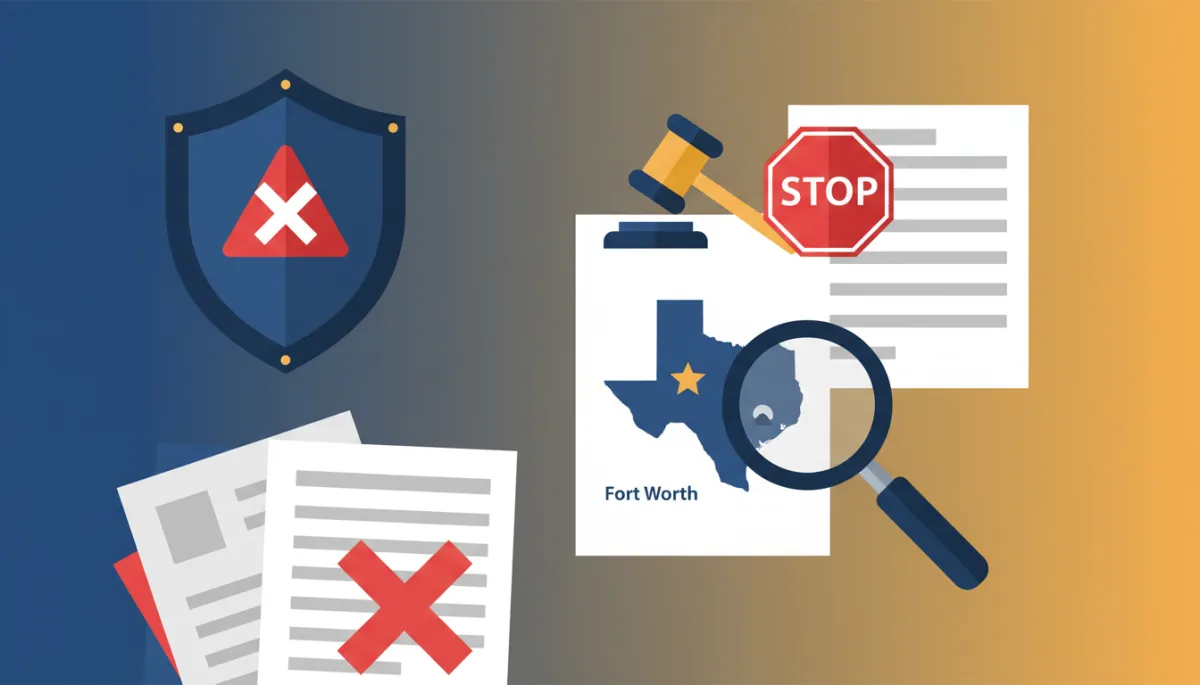
Protect Yourself from Notario Fraud in Texas
Immigration Services, Notario Fraud, Fort Worth Texas
Notario Fraud in Texas: How to Protect Yourself from Immigration Scams
For many Spanish-speaking families in Fort Worth and across Texas, the immigration system feels confusing, slow, and scary. In that confusion, dishonest “notarios” and fake immigration helpers take advantage—promising quick work permits, residency, or citizenship, then leaving families with empty pockets and serious legal problems. This guide explains what notario fraud is, how Texas law treats it, and—most importantly—how you can protect your family from immigration scams in Fort Worth and beyond.
What Is Notario Fraud in Texas?
In many Latin American countries, a “notario público” is a highly trained legal professional—similar to a senior attorney. In the United States, a notary public is very different. A Texas notary can only verify signatures and identities. They cannot give legal advice, prepare immigration forms for a fee, or represent you in court—unless they are also a licensed attorney.
Notario fraud Texas happens when someone—often calling themselves “notario,” “notario público,” “consultor de inmigración,” or “immigration specialist”—pretends to have legal training they do not have. They may:
- Promise work permits, residency, or citizenship they cannot legally obtain for you.
- Fill out immigration forms without understanding the law, often with wrong or incomplete information.
- Charge high fees for services they are not allowed to provide under Texas law.
The Texas Attorney General and the American Bar Association both warn that this type of immigration fraud is widespread and dangerous for immigrant families. It is not just a “bad service” problem—it can create serious legal consequences with U.S. immigration authorities.
Why Notario Fraud Is So Common in the Latino Immigrant Community
Notario fraud targets trust. Many immigrants from Mexico, Central America, and South America grew up understanding “notario público” as a powerful legal professional. When they arrive in Texas, they naturally assume “notary public” means the same thing. Dishonest people know this and use the confusion to deceive families—especially those who speak little English or fear government offices.
In Fort Worth, Arlington, and other parts of Tarrant County, scammers often advertise in Spanish-language radio, WhatsApp groups, flyers at grocery stores, or small neighborhood businesses. They may be part of the community, speak your language, and seem friendly. That makes it even harder to suspect that what they are doing is illegal and dangerous. Economic pressure—wanting to work legally, renew DACA, or fix a family member’s status—pushes many people to take risks with anyone who promises fast results.
Notario vs. Immigration Attorney in Texas: What Is the Difference?
What a Licensed Immigration Attorney Can Do
- Completed law school and passed a state bar exam—usually the Texas Bar.
- Is licensed and regulated by the State Bar of Texas or another U.S. state bar.
- Can legally give immigration advice, create a strategy, and represent you before USCIS, immigration court, and federal agencies.
- Must follow strict ethical rules—if they lie or cheat, they can lose their license.
What a Texas Notary Public Can and Cannot Do
- Can verify your identity and witness your signature on documents.
- Cannot give you legal advice about immigration, family, or criminal law unless they are also a licensed attorney.
- Cannot charge you for preparing immigration forms as a “legal service.”
The key issue in notario vs immigration attorney Texas is this: only an attorney (or an accredited representative with the Department of Justice) can legally represent you in immigration matters. A notary who acts like an attorney is breaking the law and putting your case at risk.
Red Flags: How to Spot Immigration Scams in Fort Worth
To protect yourself from immigration fraud, watch for these warning signs that often appear in immigration scams Fort Worth and across Texas:
- They call themselves “notario,” “notario público,” or “licenciado” but cannot show a valid bar license from any U.S. state.
- They guarantee results—“100% seguro,” “papeles en seis meses,” or “no hay riesgo”—no one can honestly guarantee immigration outcomes.
- They ask you to sign blank forms or refuse to give you copies of what they file for you.
- They want to be paid in cash only, money transfer apps, or gift cards, with no receipts or written contract.
- They tell you not to speak directly with USCIS, an attorney, or a government office—“I will handle everything, don’t ask questions.”

Learning common red flags helps families recognize and avoid notario scams early.
Real Consequences for Victims of Notario Fraud
Notario fraud does more than waste money. It can destroy immigration opportunities that may never return. Common consequences include:
- Lost savings. Families often pay thousands of dollars for “services” that were never done or were done incorrectly.
- Denied or delayed petitions. Incorrect information, missing documents, or wrong legal strategies can lead to USCIS denials or long delays that affect work, travel, and family unity.
- Deportation risk. Some notarios file asylum applications or other requests without explaining the risks. This can place someone into immigration court—even when that was never the intention—putting them at direct risk of removal from the United States.
The Texas Immigration Law Council notes that victims sometimes discover, years later, that a notario submitted false information in their name. Fixing this often requires an experienced immigration attorney and can be very difficult, especially if USCIS or an immigration judge believes you were part of the fraud.
How Texas Law Addresses Notario Fraud
Texas law has become stricter in recent years to fight notario fraud. Under the Texas Government Code, a notary public cannot use the words “notario” or “notario público” in advertising and cannot perform acts that look like the practice of law—such as preparing immigration forms or giving legal advice. Violating these rules can lead to suspension or revocation of the notary commission and even criminal charges (Texas Gov’t Code §406; Texas Attorney General, Notario Fraud guidance).
Senate Bill 693, effective in 2025, added Section 406.027, making it a Class A misdemeanor to knowingly use a notary seal—or a fake one—on a fraudulent document and try to file it with a court or clerk. Other parts of Texas law, such as Penal Code Chapter 32 (fraud) and the Deceptive Trade Practices Act, allow victims and the state to sue for deceptive business practices and document fraud. At the federal level, 18 U.S.C. §1546 punishes immigration document fraud, including forged visas and work permits.
Practical Steps to Protect Yourself and Your Family
1. Verify Professional Credentials
Before you trust anyone with your immigration case, ask for their full name and bar number, then verify it on the State Bar of Texas website or the bar website of the state where they are licensed. If they say they are an “accredited representative,” ask for proof of accreditation with the Department of Justice. If they cannot show proof, walk away.
2. Get Everything in Writing
Ask for a written agreement that clearly explains:
- What services will be provided.
- How much you will pay and when.
- Which applications or petitions will be filed in your name.
Always keep copies of every form, receipt, and letter. If someone refuses to give you copies, that is a major red flag for how to avoid notario fraud.
3. Use Trusted Local Resources in Fort Worth
For immigration help Fort Worth TX, look for organizations and businesses with a clear physical address, a professional website, and positive community reputation. Check their Google Business Profile reviews and confirm that they clearly explain what they can and cannot do. Reputable tax and immigration support offices will be transparent about when you need an attorney and may work in partnership with licensed lawyers when your case requires it.
4. Report Suspected Fraud
If you think you have been a victim of notario fraud, you can:
- File a complaint with the Texas Secretary of State about the notary’s conduct.
- Contact the Texas Attorney General’s consumer protection division about deceptive trade practices.
- Speak with a licensed immigration attorney as soon as possible to understand your options and correct any damage.
Fort Worth and Tarrant County: Local Context for Immigrant Families
Fort Worth and the larger Tarrant County area are home to thousands of mixed-status families, DACA recipients, and undocumented workers. Many work in construction, restaurants, cleaning, and childcare—industries where schedules are long and free time is limited. This reality makes it harder to visit government offices or research complex immigration rules, and easier for scammers to step in with “quick solutions” offered in Spanish and promised after work hours or on weekends.
Local, trustworthy offices that focus on tax preparation, business services, and immigration-related paperwork can help bridge the gap—especially when they are honest about the limits of their services and when a licensed attorney is required. When you see a stable presence in Fort Worth, a clear address like 4200 South Fwy., Suite 2520, Fort Worth, TX 76115, and a professional website such as https://ikartaxandinvestments.com, it is easier to trust that you are not dealing with a disappearing notario who will close their doors overnight.
Navigating U.S. immigration law will never be simple, but you do not have to do it alone—or with people who lie to you. Understanding the difference between a notary and an attorney, recognizing red flags, and using reputable local resources are powerful tools to keep your family safe. IKAR Tax and Investments Inc, based in Fort Worth, focuses on serving immigrant families with honest tax, business, and immigration-support services, always respecting the limits of the law and referring clients to licensed attorneys when needed. If you have questions about paperwork, tax records, or how to organize your documents before speaking with an immigration lawyer, you can review their services online at https://ikartaxandinvestments.com or reach the Fort Worth office at (817) 305-3433 or through their location at 4200 South Fwy., Suite 2520, Fort Worth, TX 76115. Taking these careful steps now can help you avoid notario fraud, protect your immigration future, and move forward with more peace of mind.


Why Ikar Tax And Investments?
Frequently Asked Questions
Understand your options. Navigate your future with clarity.
What types of clients do you work with?
We work with individuals, families, and small business owners who want to take control of their finances and plan for the future. Whether you’re just starting out, preparing for retirement, or managing complex investments, our advisors can help.
How do I get started?
Simply schedule a free consultation through our contact page or give us a call. We’ll discuss your goals, review your current situation, and outline a personalized strategy to help you move forward.

Get Started
Ready to Simplify Your Taxes or Immigration Process?
Let’s create a personalized plan to handle your paperwork, forms, and filings.

COMPANY
LEGAL
SOCIALS
Copyright 2026. IKAR TAX AND INVESTMENTS INC. All Rights Reserved.